
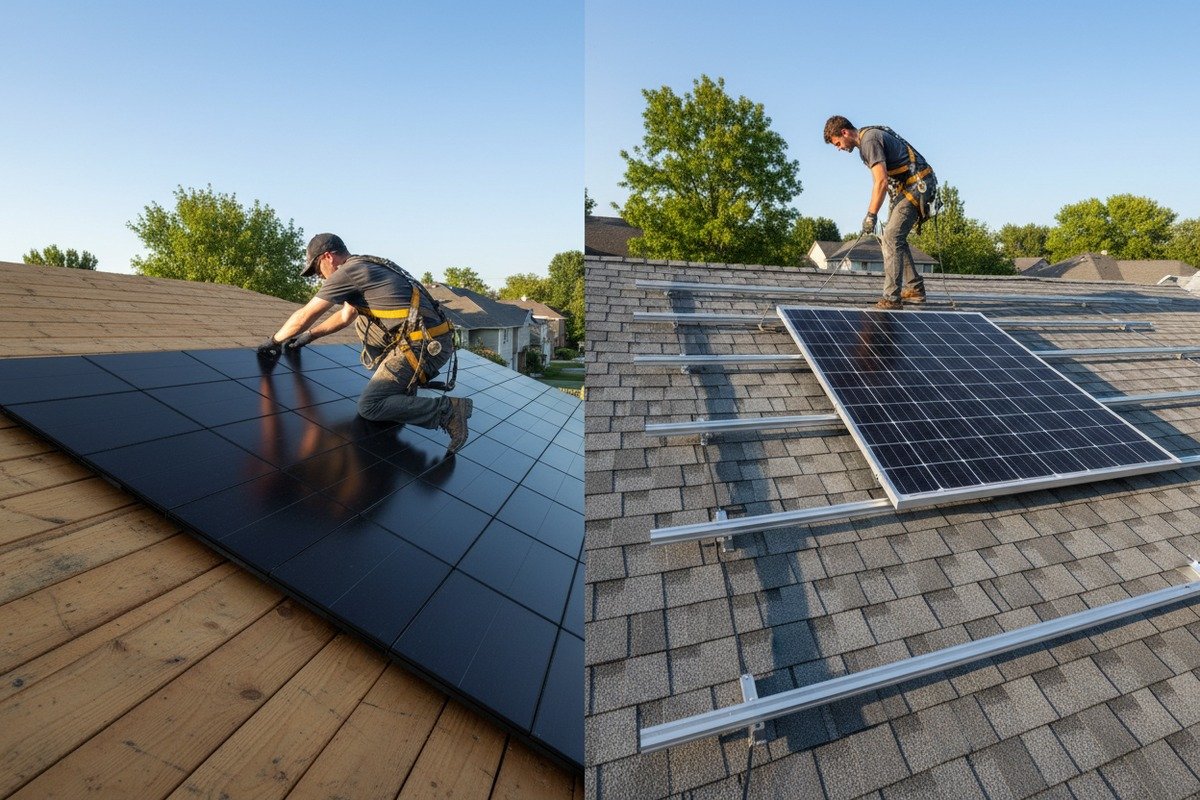
Every week, roofing contractors ask our engineering team the same question about solar shingles versus bolt-on panels.
Solar shingles replace traditional roofing material entirely, integrating photovoltaic cells into each tile for a seamless finish. Traditional panels mount on top of existing roofs using racking systems. For roofing companies, this means shingles require full roof replacement expertise and longer timelines, while panels need mounting hardware skills and shorter labor windows.
The choice between these two systems affects your crew’s workflow, your profit margins, and the certifications you need IEC 61215 1. Below, we break down the four biggest questions roofing companies ask us when they consider adding solar to their service offerings.
How will switching to solar shingle installation impact my crew's labor time and overall project costs?
When we ship our solar roof tiles to roofing contractors across Europe, labor time is always the first concern they raise with us MC4 crimping tool 2.
Switching to solar shingle installation typically doubles your crew's on-site time from 1–3 days to 5–7 days per project. However, you capture both roofing and solar revenue in a single job, which can increase per-project margins by 30–50% compared to traditional roofing-only contracts.
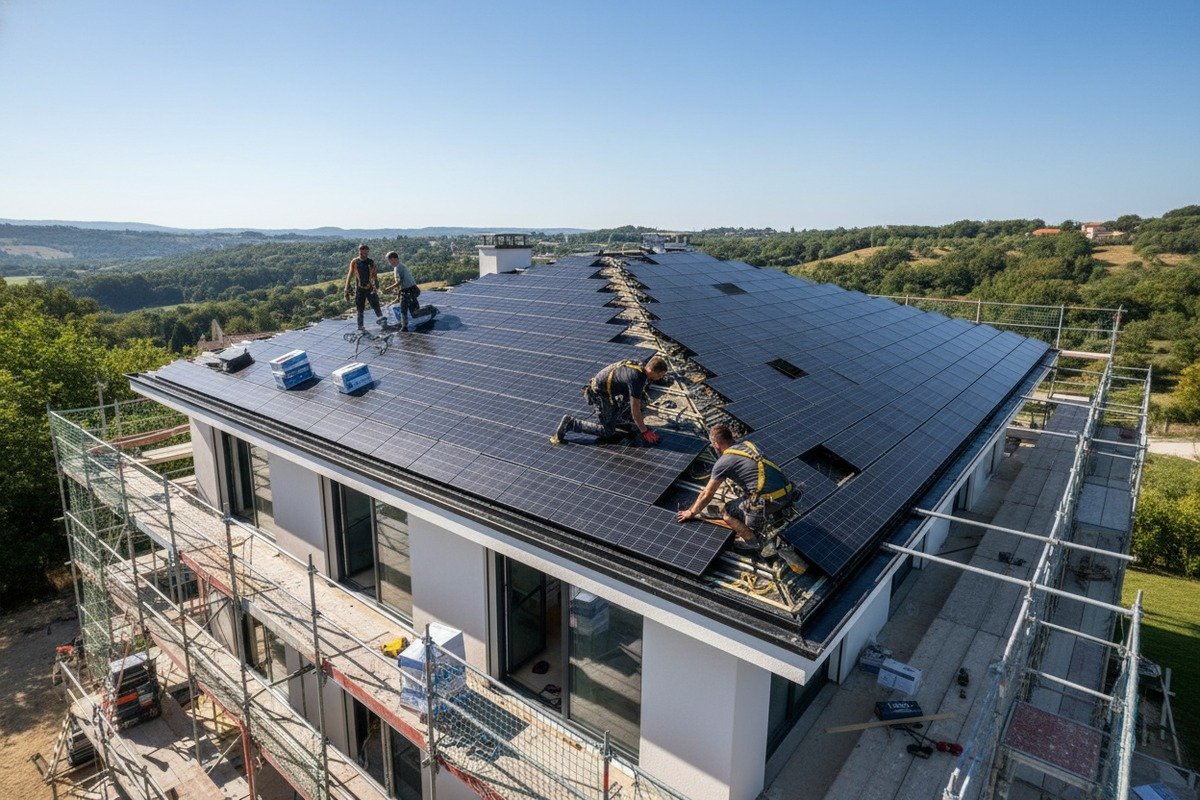
Why Does Installation Take Longer?
Solar shingles are the roof. They are not an add-on. Your crew must strip the old roof, prepare the deck, lay underlayment, and then install each shingle tile with both mechanical fastening and electrical wiring 3. Each tile connects to the next in a series or parallel configuration. This is very different from bolting a racking system 4 onto an existing surface.
Traditional panels skip the roofing step. A crew shows up, marks drill points, attaches rails, clips panels, and runs wiring. The roof stays as-is.
Labor Time Breakdown
| Task | Solar Shingles | Traditional Panels |
|---|---|---|
| Roof tear-off and prep | 1–2 days | Not required |
| Underlayment and flashing | 0.5–1 day | Not required |
| Module/tile installation | 2–3 days | 0.5–1 day |
| Electrical wiring and connection | 1 day | 0.5–1 day |
| Inspection and cleanup | 0.5 day | 0.5 day |
| Total on-site time | 5–7 days | 1–3 days |
The Revenue Equation
Here is the part most roofing companies overlook. Yes, the labor takes longer. But you are billing for two services in one contract. You charge for the roof replacement and the solar energy system. With traditional panels, the roofing company usually only handles the roof prep. A separate solar installer handles the panels and takes that revenue.
Our partners in France and Germany tell us their average ticket per residential project increased by 40–60% after adding solar shingle installation to their portfolio. The key is pricing the combined service correctly so the homeowner sees savings compared to hiring two separate contractors.
Cost Per Watt Comparison
Solar shingles currently cost more per watt than panels. But if the homeowner already needs a new roof, the incremental cost shrinks dramatically.
| Cost Factor | Solar Shingles | Traditional Panels |
|---|---|---|
| Product cost per watt | $3–5/W | $2–3/W |
| Separate roof replacement | Included | $8,000–$15,000 extra |
| Combined project cost (typical home) | $40,000–$60,000 | $25,000–$40,000 (panels + roof separately) |
| Potential bill savings | 40–70% | Up to 90% |
The takeaway is simple. For re-roofing jobs, solar shingles make financial sense. For retrofit projects on newer roofs, traditional panels win on cost and speed.
Can I maintain the same waterproofing standards with integrated solar tiles as I do with traditional roofing materials?
Waterproofing is the single biggest liability concern we hear from roofing companies evaluating our BIPV products 5. A leaking solar tile means interior damage and expensive claims.
Yes, you can maintain equivalent or superior waterproofing standards with integrated solar tiles, provided the system uses engineered interlocking channels, proper underlayment, and professional flashing details. Quality BIPV tiles are tested to the same wind-driven rain and water penetration standards as conventional roofing materials under European CPR regulations.
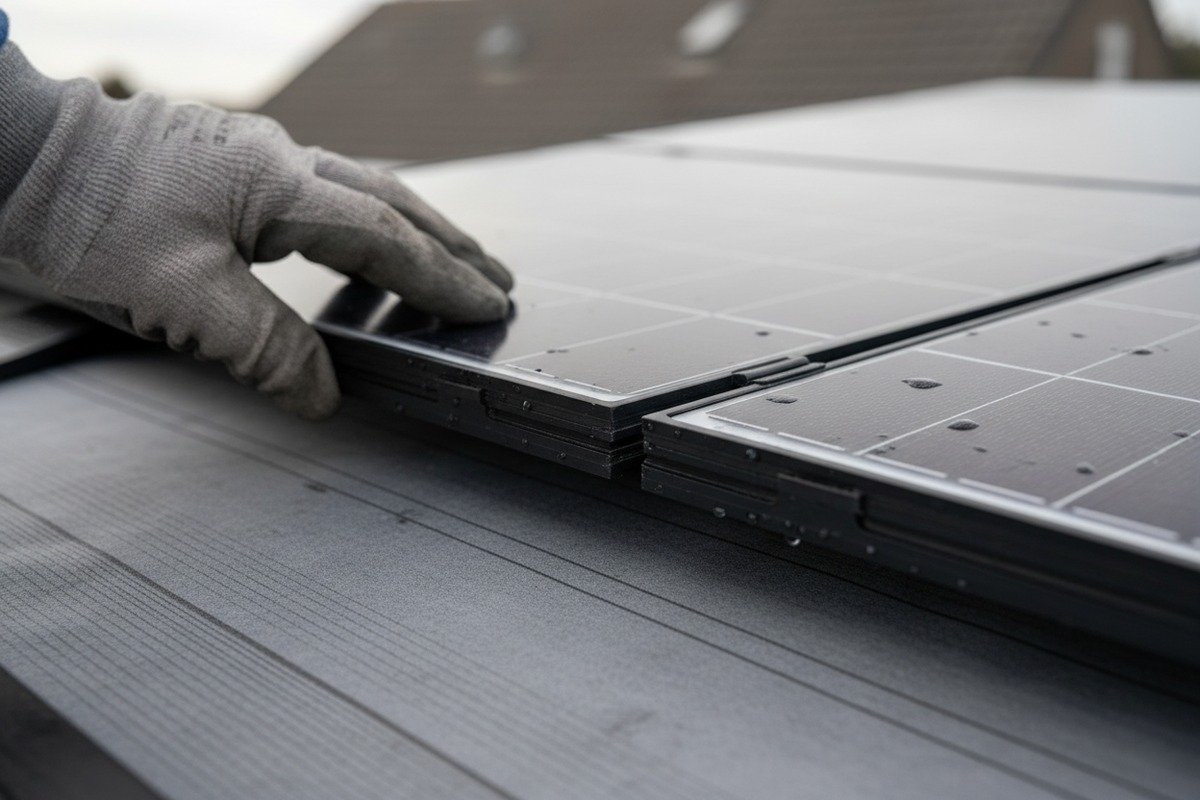
How Traditional Panels Create Waterproofing Risks
Most roofing professionals already know this. Traditional panels require penetrations into the roof deck. Each mounting bolt passes through the roofing membrane. Even with proper flashing boots and sealant, these penetrations are failure points over time. UV breaks down sealant. Thermal cycling loosens fasteners. Ten years later, you get callbacks.
The irony is that many roofing companies worry more about solar shingles leaking, when in reality the bolt-on system creates more potential leak paths.
How Integrated Solar Tiles Handle Water
Our engineering team spent years refining the drainage channel design in our solar roof tiles. Each tile overlaps the next with a precision-machined interlock. Water flows down the surface, enters the channel, and exits at the eave. There are no penetrations through the waterproof membrane.
The key layers in a properly installed solar tile roof are:
- Roof deck (plywood or OSB)
- Synthetic underlayment 6 (ice and water shield in critical areas)
- Battens or counter-battens for airflow and drainage
- Interlocking solar tiles with sealed electrical connections
What Testing Standards Matter?
When you evaluate any solar tile product, ask for test reports on these specific standards:
- IEC 61215 — PV module performance and reliability
- IEC 61730 — PV module safety
- EN 14437 or equivalent — Wind-driven rain resistance for roofing
- Fire rating — Class A or equivalent under local building codes
- Hail resistance — Our tiles withstand 35mm hailstones at terminal velocity
The dual-certification issue is real. A product can pass all PV tests and still fail building material standards. That is why we carry both CE and TUV certifications and test to European CPR requirements 7.
Drainage Design Matters More Than the Material
A poorly designed solar tile with no drainage channel will leak. A well-designed one will not. The product engineering is what separates reliable BIPV from problematic BIPV. When our partners install our tiles, they follow a specific overlap sequence and use silicone-free gaskets at connection points. This keeps the system watertight without relying on degradable sealants.
One practical tip: always install a high-quality synthetic underlayment as your secondary water barrier. Even the best tile system needs a backup layer. This is standard roofing practice, and it applies equally to solar tile roofs.
What technical certifications or specialized tools do I need to transition from PV mounting to BIPV systems?
Our training team works with dozens of roofing companies each year to help them get certified for solar tile installation. The transition is real, but it is not as steep as most people think.
Transitioning from traditional PV mounting to BIPV systems typically requires manufacturer-specific installation certification, basic electrical licensing (or a licensed electrician on your crew), and familiarity with BIPV-specific tools like low-voltage testers, MC4 crimpers, and tile alignment jigs. Most experienced roofing crews can complete training in 2–5 days.

The Certification Landscape
Unlike traditional solar panels, where any trained installer can mount most brands, BIPV systems are tightly controlled by manufacturers. Each brand has its own interlocking design, wiring layout, and installation sequence. This means you need brand-specific certification.
For our products at Lonsontech, we offer a structured training program that covers:
- Tile layout and cutting patterns for different roof geometries
- Waterproofing integration and flashing details
- Electrical string design and micro-inverter connections
- Safety protocols for working with live DC circuits on rooftops
- Quality inspection and commissioning procedures
What Certifications Do You Need?
| Certification / Requirement | Purpose | Typical Timeline |
|---|---|---|
| Manufacturer installation certification | Validates proper product installation technique | 2–5 days training |
| Electrical license (or licensed subcontractor) | Required for DC wiring and grid connection | Varies by country |
| Working at heights / fall protection | Standard roofing safety compliance | 1 day refresher |
| CPR / building code compliance knowledge | Ensures BIPV meets local construction regulations | Included in manufacturer training |
| Optional: NABCEP 8 or equivalent PV certification | Broad solar industry credential for credibility | 40–80 hours study + exam |
Tools You Will Need
Most roofing companies already own 80% of what they need. The additions are modest:
- MC4 crimping tool — for solar cable connectors
- DC clamp meter and multimeter — for string voltage and current testing
- Insulation resistance tester (megger) — for pre-commissioning checks
- Tile alignment jig — usually provided by the manufacturer
- Cable management clips and conduit — for neat under-tile wiring runs
You do not need a full electrical workshop. But you do need at least one person on your crew who understands basic DC circuit principles. Many roofing companies hire one electrician or train a senior crew member to handle the electrical scope.
The Business Advantage of Certification
Here is what most roofing companies miss. Getting certified as a BIPV installer creates a competitive moat. There are far fewer certified solar tile installers than traditional panel installers. In France, for example, the ratio is roughly 1 certified BIPV installer for every 15–20 standard solar installers. That scarcity gives you pricing power and a steady pipeline of referrals from the manufacturer.
We actively refer project leads to our certified partners. When a developer or architect contacts us about a project in their region, the certified installer gets the call first.
How do the long-term warranty and maintenance responsibilities for solar shingles differ from standard bolt-on panels?
When we developed our 25-year product warranty 9, we spent months studying the warranty failures our competitors faced. The warranty question is not just about duration. It is about who is responsible when something goes wrong.
Solar shingles typically carry a single integrated warranty covering both roofing performance and energy output from one manufacturer, simplifying claims. Traditional panels involve separate warranties—one from the panel maker, one from the racking supplier, and one from the roofing contractor—which can create finger-pointing when problems arise.
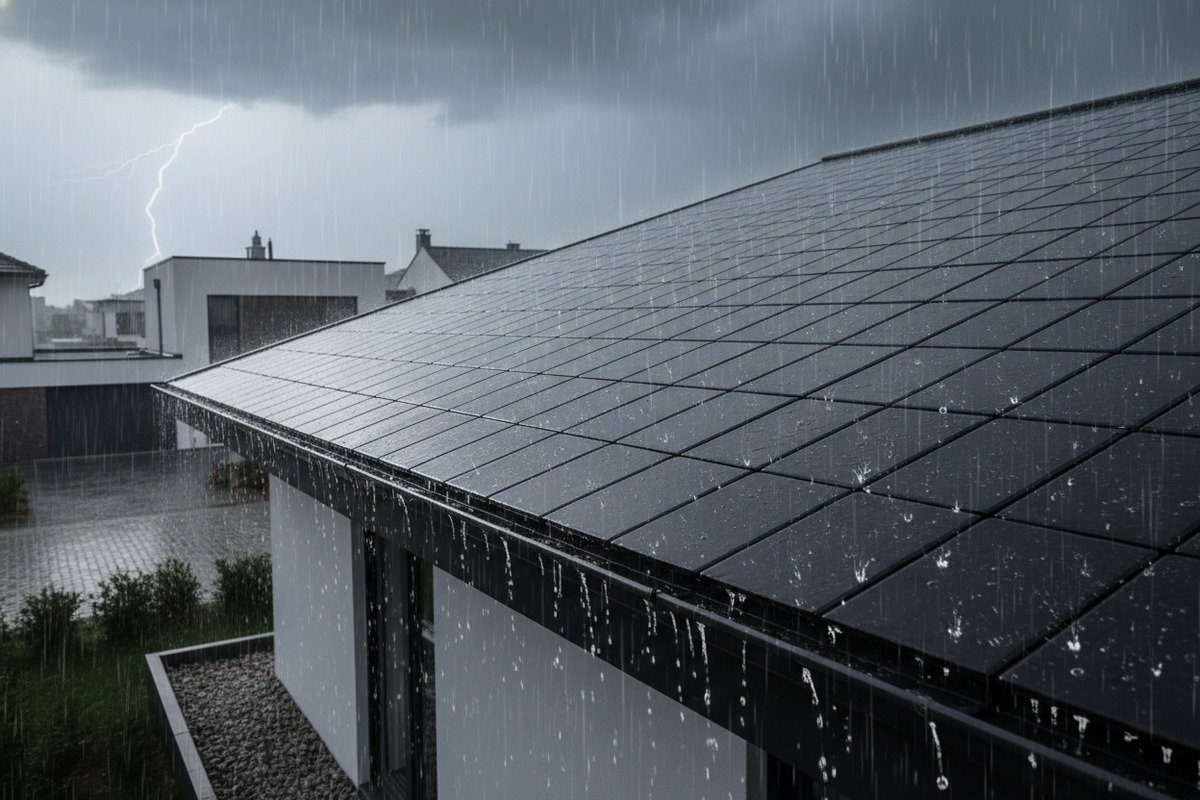
The Warranty Structure Difference
This is where roofing companies need to pay close attention. With traditional panels, the warranty chain looks like this:
- Panel manufacturer warrants the module (25 years performance, 10–12 years product)
- Racking manufacturer warrants the mounting system (10–25 years)
- Roofing contractor warrants the roof membrane and penetration sealing (5–15 years)
- Solar installer warrants the electrical work (5–10 years)
If a leak develops at a mounting point, who pays? The racking company says the installer did it wrong. The installer says the roofer should have flashed it better. The homeowner is stuck in the middle.
With solar shingles, the warranty typically comes from one source: the tile manufacturer. Our warranty covers structural integrity, waterproofing performance, and energy output degradation—all under one document. If something fails, there is one phone number to call.
Maintenance Responsibilities
| Maintenance Task | Solar Shingles | Traditional Panels |
|---|---|---|
| Surface cleaning | Same (annual wash) | Same (annual wash) |
| Individual unit replacement | More complex—requires partial disassembly of surrounding tiles | Simple—unclip one panel from rack |
| Roof membrane inspection | Not needed separately (tiles are the roof) | Required—check penetration points annually |
| Inverter replacement | Same (10–15 year lifespan) | Same |
| Re-roofing at end of life | Replace tiles with new solar tiles or standard tiles | Must remove entire panel array, re-roof, then reinstall panels |
| Wiring inspection | Under-tile access points designed in | Under-panel access is easier |
The Re-Roofing Problem With Traditional Panels
Here is a scenario most homeowners do not think about. A traditional asphalt roof lasts 20–25 years. Solar panels last 25–40 years. At some point, the roof under the panels needs replacement. That means a crew has to remove every panel, store them safely, tear off the old roof, install a new one, and then remount all the panels. This costs $5,000–$10,000 in labor alone, on top of the new roof cost.
With solar shingles, when the roof reaches end of life, you replace the tiles. The new tiles can be the next generation of solar tiles or standard roofing tiles. There is no separate system to remove and reinstall.
What Roofing Companies Should Know About Warranty Callbacks
From our experience supporting partners across Europe, the most common warranty issues with solar tiles are:
- Micro-cracks from installation handling — preventable with proper training
- Connector corrosion — solved by using IP67-rated connectors and proper cable management
- Aesthetic variation between batches — we address this with strict color-matching QC at our factory
For traditional panels, the most common callback issues are:
- Roof leaks at penetration points — often appears 3–7 years after installation
- Racking corrosion or loosening — especially in coastal or high-wind areas
- Panel-level optimizer failures — requires individual panel removal
The bottom line for roofing companies: solar shingles shift more long-term responsibility to the manufacturer but reduce your callback exposure for leak-related issues. Traditional panels keep your roofing warranty separate, but you may still get blamed when a mounting penetration leaks.
Conclusion
Solar shingles and traditional panels serve different project types, and the best choice depends on roof age, client priorities, and your crew's capabilities. Roofing companies that master both systems position themselves for higher revenue and stronger market differentiation in the growing BIPV sector.
Footnotes
1. Details the international standard for design qualification and type approval of terrestrial photovoltaic modules. ↩︎
2. Describes the function and features of an MC4 crimping tool for solar cable connections. ↩︎
3. Explains fundamental concepts of solar panel wiring, including series and parallel connections. ↩︎
4. Explains the essential components and importance of solar panel racking systems. ↩︎
5. Defines Building-Integrated Photovoltaics (BIPV) and their dual function as building components and electricity generators. ↩︎
6. Defines synthetic underlayment as a roofing membrane for waterproofing. ↩︎
7. Explains the harmonized rules and objectives of the Construction Products Regulation (CPR) in the EU. ↩︎
8. Provides information on the North American Board of Certified Energy Practitioners and its certifications. ↩︎
9. Explains the different types and importance of product warranties for solar energy systems. ↩︎