Navigating BIPV subsidies 1 across Europe can feel overwhelming, especially when every country has its own rules. After two decades of producing solar roof shingles and exporting them to European markets, our team fields this question from distributors and roofing companies almost weekly.
To find BIPV subsidy policies in Europe for solar roof shingles, start with the European Commission’s energy funding portal, then drill down into national energy agencies like Germany’s BAFA, France’s ADEME, Italy’s GSE, or the UK’s Ofgem. Cross-reference with local building codes and industry databases like BIPVBOOST for the latest incentive details.
Below, we break down exactly where to look, what certifications you need, how to calculate your real savings, and which tax incentives apply. Each section draws on our direct experience helping buyers qualify for these programs.
Where can I find the most up-to-date official BIPV subsidy lists for my specific European region?
Every quarter, our export team updates an internal subsidy tracker because European BIPV incentives change fast. Missing a deadline or checking the wrong portal can cost your project thousands of euros in lost grants.
The most reliable sources for up-to-date BIPV subsidy lists are the European Commission's Energy Funding Guide (energy.ec.europa.eu), EUR-Lex for EU directives, and national agencies such as Germany's BAFA, France's ADEME, Italy's GSE, and the UK's Ofgem. Industry databases like BIPVBOOST and IEA-PVPS also publish regular policy analyses.
Start at the EU Level
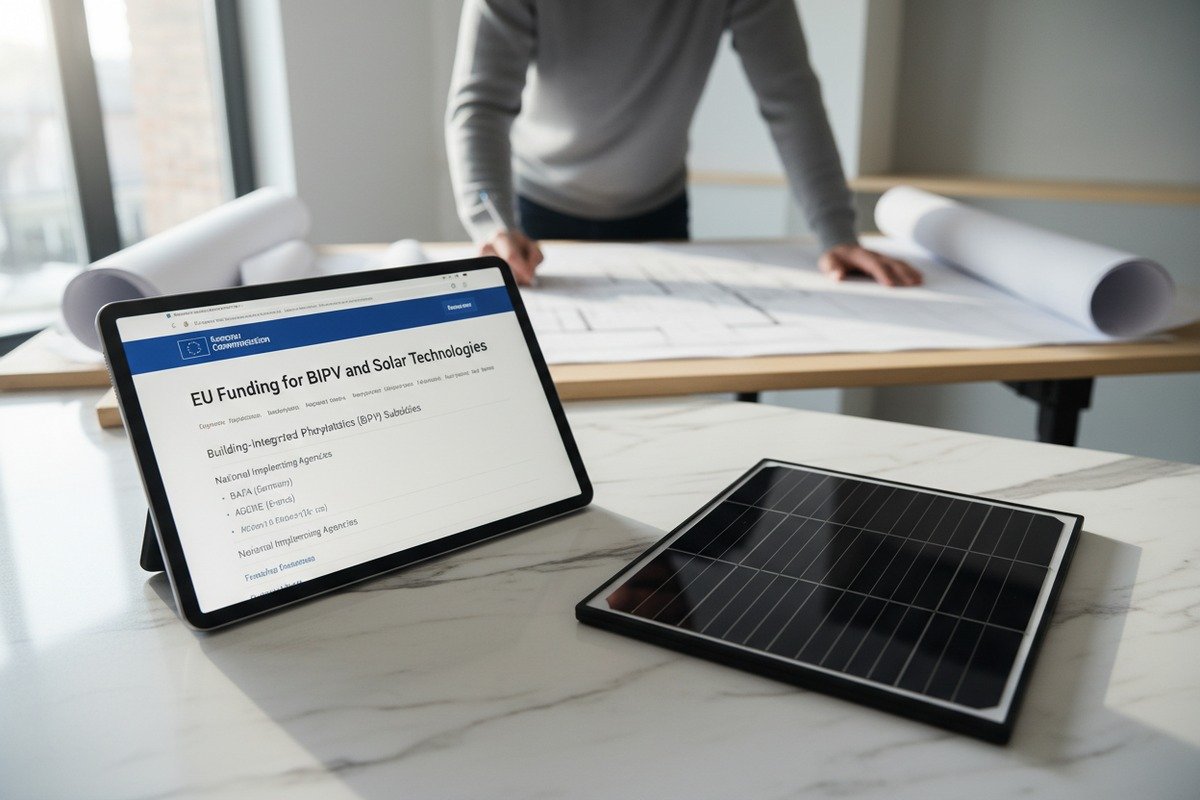
The European Commission 2 maintains a centralized energy funding database. Search for terms like "BIPV subsidies," "solar roof integration," or "building-integrated photovoltaics." The Renewable Energy Directive 3 (RED III) sets the overarching framework. The EU Winter Package also pushes cost-reduction targets for BIPV — 50% reduction already achieved vs. 2015 baselines, with a 75% target by 2030.
EUR-Lex 4 is your legal reference. It hosts the full text of directives like Article 10, which specifically supports solar integration in buildings, including historical structures.
Drill Down to National Agencies
Each country runs its own incentive programs. Here is a quick reference:
| Country | Primary Agency | Key Program / Portal | BIPV-Specific Bonus? |
|---|---|---|---|
| Germany | BAFA / EEG Portal | EEG Feed-in Tariffs, KfW loans | Yes — preferential rates for public BIPV |
| France | ADEME / Ministry of Ecological Transition | Quarterly FiTs + BIPV bonus | Yes — dedicated bonus on top of standard FiTs |
| Italy | GSE | Conto Energia (FiT rules) | Yes — "total integrated" and innovative BIPV bonuses, EU production bonus |
| UK | Ofgem / BEIS | Future Homes Standard 5 (2025), Part L regs | Indirect — mandates low-carbon energy in new builds |
| Austria | Klima- und Energiefonds | Investment grants for PV on buildings | Yes — higher rates for BIPV vs. rack-mounted |
Use Industry and Manufacturer Resources
Organizations like BIPVBOOST and PVSITES publish detailed reports comparing policy landscapes. The IEA-PVPS task force 6 regularly analyzes BIPV-specific incentive structures across member countries.
From our side, when we ship solar roof shingles to a French distributor or a German roofing company, we include a compliance and subsidy checklist specific to their region. We have found that many buyers are unaware of local municipal incentives that stack on top of national programs. For example, certain German cities offer additional local tax breaks for aesthetically integrated solar roofing.
Check for Regional and Municipal Programs
Do not stop at the national level. Many European cities and regions run their own pilot programs. Scandinavia has emerging BIPV pilot subsidies. Southern European municipalities sometimes offer grants tied to heritage building renovations where BIPV tiles replace traditional slate.
The key is to check three layers: EU, national, and local. Set calendar reminders to revisit these portals every quarter. Policies shift with political cycles and budget allocations.
What technical certifications must my solar roof shingles meet to qualify for local government grants?
When we calibrate our production lines for European exports, certification compliance is the first gate we clear — not the last. Too many projects lose grant eligibility because the product meets electrical standards but fails building material requirements.
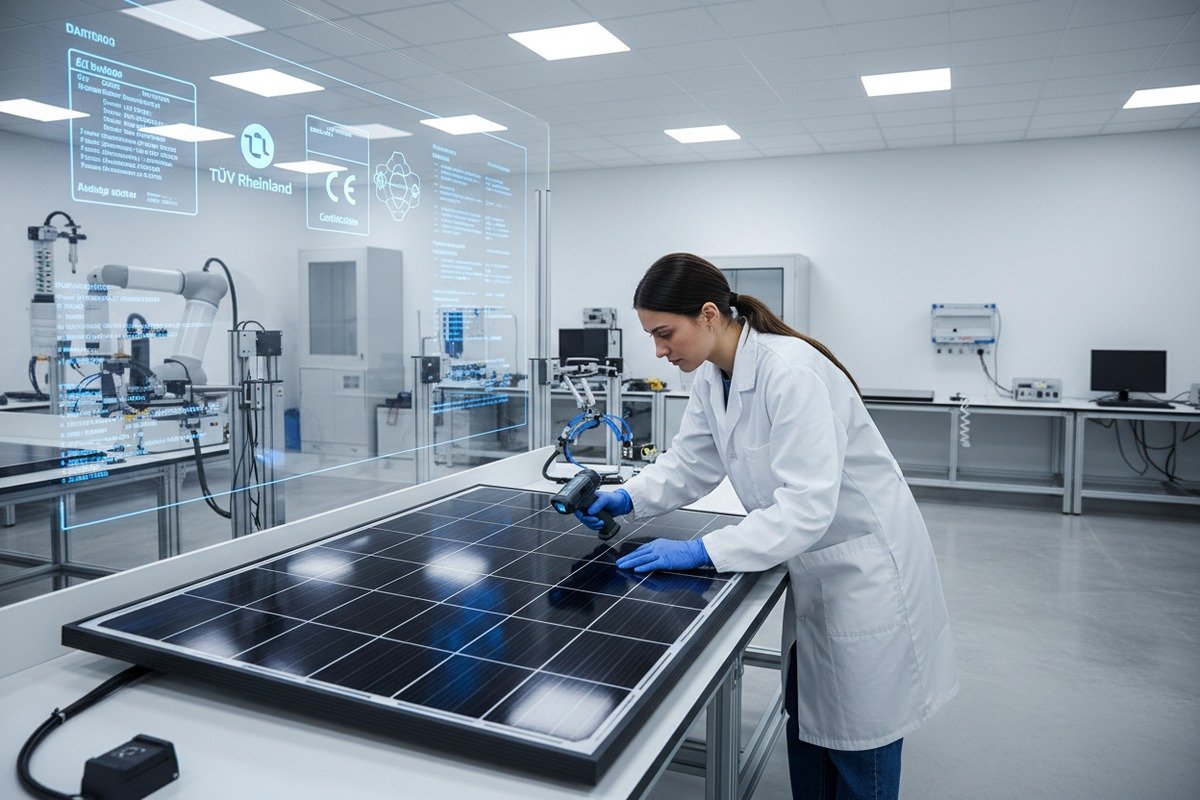
Solar roof shingles typically need dual certification: electrical safety certifications (CE marking, IEC 61215/61730, TÜV approval) and construction product certifications (CPR compliance, fire ratings, wind/snow load tests, water penetration standards). Green building certifications like DGNB, LEED, or BREEAM can unlock additional subsidy points and property value boosts.
The Dual Certification Challenge
This is the biggest pain point we hear from European buyers. A solar roof shingle is both an electrical device and a building material. Governments require proof of both. If your product has a TÜV certificate for electrical performance but lacks CPR (Construction Products Regulation 7) compliance for fire rating or structural load, your grant application will be rejected.
Here are the core certifications mapped to their purpose:
| Certification | Type | What It Covers | Required For |
|---|---|---|---|
| CE Marking | Electrical + Construction | Confirms EU market conformity | All EU market entry |
| IEC 61215 | Electrical | PV module design qualification and type approval | Grant eligibility in most countries |
| IEC 61730 | Electrical | PV module safety qualification | Grid connection approval |
| TÜV Rheinland | Electrical | Third-party safety and performance verification | Germany, widely recognized across EU |
| CSTB Approval | Construction | French building product technical assessment | France-specific grants |
| CPR (EN 13501) | Construction | Fire classification of construction products | All EU building integration |
| Wind Load (EN 1991-1-4) | Construction | Structural resistance to wind pressure | Regions with high wind exposure |
| Hail Resistance (IEC 61215 Clause) | Both | Impact resistance testing | Insurance and grant qualification |
Green Building Certifications Add Value
Beyond mandatory standards, voluntary green building certifications 8 unlock bonus points in subsidy programs. DGNB in Germany, BREEAM in the UK, and LEED internationally all award credits for BIPV integration. These credits can tip a project into a higher incentive tier.
Our shingles are tested to withstand 35mm hail and Grade 15 winds. We hold both CE and TÜV certifications. This dual compliance is what allows our European partners to submit grant applications with confidence. We also provide full documentation packages — test reports, declaration of performance sheets, and installation guidelines — because incomplete paperwork is the second most common reason for grant rejection after missing certifications.
Aesthetic Requirements Matter Too
Some subsidy programs, especially in France and Italy, require that BIPV products demonstrate true building integration. This means the solar tiles must replace conventional roofing materials seamlessly — no visible gaps, no protruding frames. Italy's "total integrated" FiT category specifically rewards products that look indistinguishable from traditional tiles. Our anti-glare glass technology and slim-profile frames are designed precisely for this purpose.
The EU's Solar Keymark database 9 is a useful tool for verifying whether a specific product model is listed as compliant. Always check that your supplier's exact model number — not just their brand — appears in the relevant certification databases.
How do I calculate the impact of these subsidies on my project's total investment and payback period?
Our finance team runs these calculations for European partners almost daily. The numbers look very different when you stack national FiTs, local grants, and green building credits together versus looking at each one in isolation.
To calculate subsidy impact, sum all applicable incentives (FiTs, direct grants, tax credits, green building bonuses), subtract them from the total BIPV installation cost, then divide the net cost by annual energy savings and feed-in revenue. Most European solar roof shingle projects now achieve payback periods of 8–14 years depending on country, system size, and incentive stacking.
Break Down Your Total Costs First
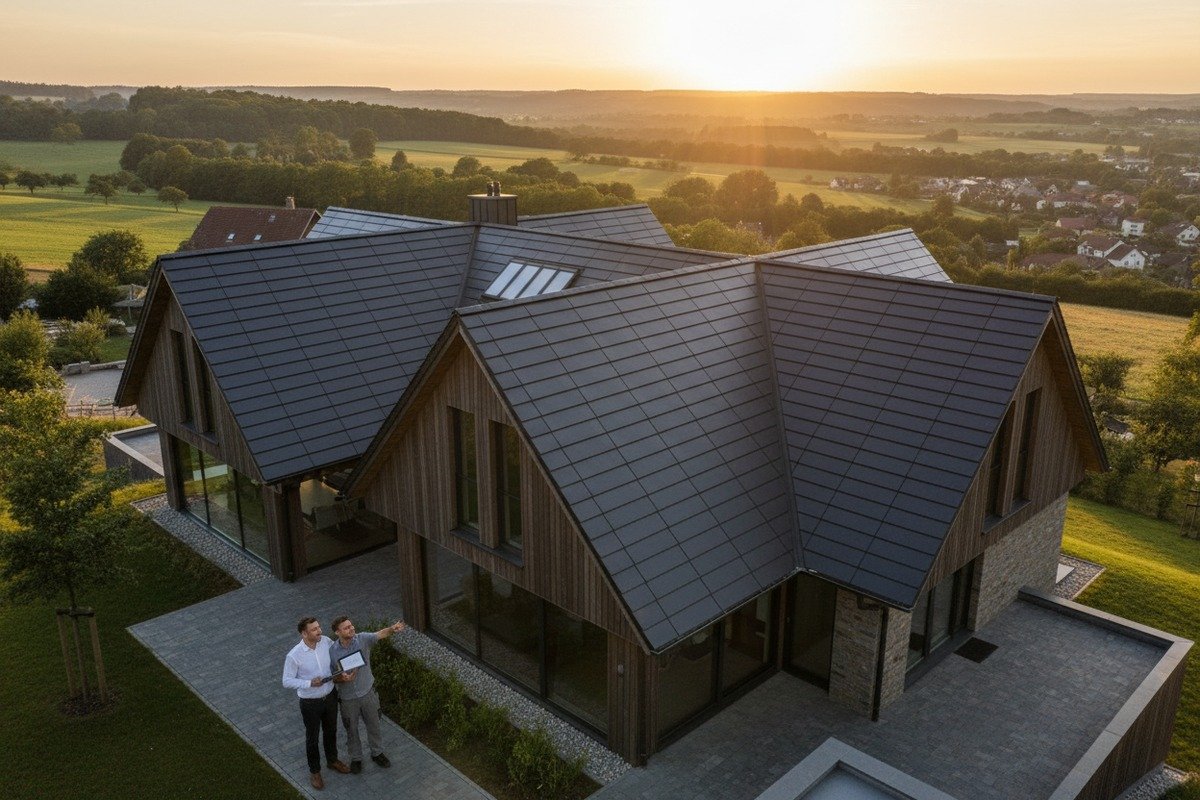
Before you can calculate savings, you need an accurate cost picture. BIPV solar roof shingles carry a premium over standard rack-mounted panels, but they also replace conventional roofing materials. This offset is critical and often overlooked.
| Cost Component | Standard PV (per m²) | BIPV Solar Shingles (per m²) | Net BIPV Premium |
|---|---|---|---|
| PV Modules / Tiles | €100–150 | €130–200 | €30–50 |
| Roofing Material (saved) | €0 (separate cost) | Included | -€40–80 |
| Mounting Hardware | €20–30 | Integrated | -€20–30 |
| Installation Labor | €40–60 | €50–70 (single trade) | €0–10 |
| Effective Net Cost | €160–240 | €130–200 | Often comparable |
When you factor in the saved roofing material and reduced mounting hardware costs, the effective premium for BIPV shingles shrinks significantly. In some cases, it approaches cost parity.
Build Your Incentive Stack
List every applicable incentive for your specific location. A typical French project might include:
- National FiT (quarterly rate, currently around €0.10–0.13/kWh for small installations)
- BIPV integration bonus (additional €0.01–0.03/kWh above standard FiT)
- Regional energy efficiency grant (varies, sometimes 20–30% of installation cost)
- VAT reduction (some countries apply reduced VAT to renewable energy products)
Run the Payback Calculation
The formula is straightforward:
Net Investment = Total BIPV Cost − Direct Grants − Roofing Material Offset
Annual Revenue = (Self-consumed kWh × Grid Price) + (Exported kWh × FiT Rate)
Payback Period = Net Investment ÷ Annual Revenue
For a 50m² residential solar shingle roof in France producing roughly 7,500 kWh per year, with a combined FiT of €0.12/kWh and a 25% regional grant, payback typically falls between 9 and 12 years. Our 25-year product warranty means the system generates 13–16 years of pure profit after payback.
Factor in Property Value Increases
Studies from DGNB and BREEAM frameworks show that green-certified buildings with BIPV integration command 3–8% higher resale values. This is not a direct cash subsidy, but it is a real financial benefit that should appear in your investment analysis.
We always advise our partners to present these full-lifecycle numbers to their end customers. The upfront cost conversation changes entirely when you show the stacked incentives, avoided roofing costs, and long-term revenue.
Are there specific tax incentives I can claim for integrating solar tiles into my building's design?
When we prepare export documentation for our European distributor partners, we always flag the tax incentive landscape because it varies wildly. Some countries offer generous VAT reductions. Others provide income tax deductions. A few do both.
Yes, multiple European countries offer tax incentives for BIPV solar tile integration, including reduced or zero VAT on solar products (e.g., UK 0% VAT, Germany 0% VAT on residential PV since 2023), income tax deductions for energy renovations (France, Italy), accelerated depreciation for commercial BIPV assets, and property tax exemptions for green-certified buildings in select municipalities.
VAT Reductions Are the Most Immediate Benefit
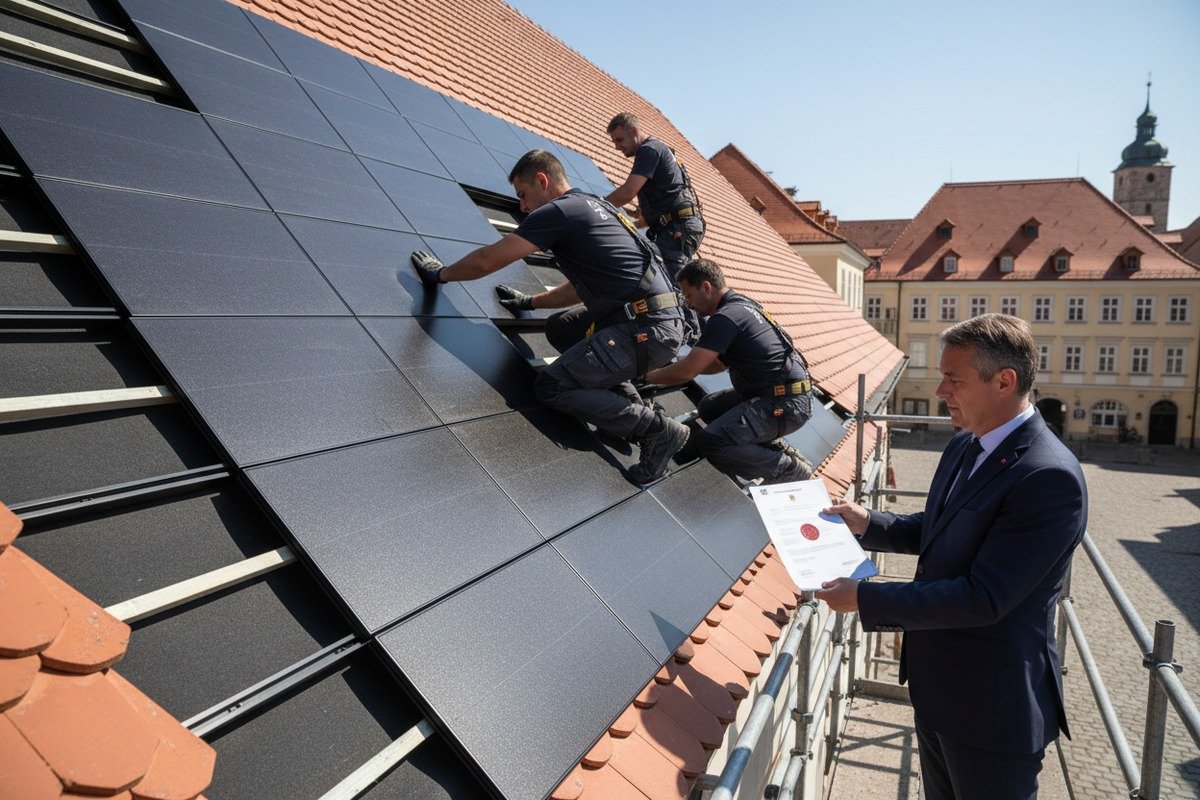
Several European countries have slashed VAT on solar products in recent years to accelerate adoption. This directly lowers the upfront purchase price.
Germany introduced 0% VAT on residential photovoltaic systems (including BIPV) in January 2023. The UK applies 0% VAT to residential solar installations. These reductions apply at the point of sale, meaning your distributor or installer passes the savings directly to the end customer.
For our buyers who import solar shingles for resale, this changes the competitive landscape immediately. A product priced at €15,000 before VAT saves €2,850 at the old 19% German rate. That saving alone can be the deciding factor for a homeowner choosing between standard roofing and solar shingles.
Income Tax Deductions for Energy Renovations
France and Italy both offer income tax deductions for building energy renovations that include BIPV. Italy's Superbonus scheme (though modified in recent years) allowed deductions of up to 90–110% of renovation costs that included integrated solar. France permits tax credits under its MaPrimeRénov' program for energy-efficient building upgrades.
These deductions typically require that the BIPV system be part of a broader energy renovation — not a standalone installation. This is where proper project planning matters. Our team helps partners structure their project scope to maximize eligibility.
Accelerated Depreciation for Commercial Projects
For commercial and industrial buildings, several countries allow accelerated depreciation 10 of BIPV assets. This means the business can write off the investment faster, reducing taxable income in the early years.
In the UK, the Annual Investment Allowance (AIA) lets businesses deduct 100% of qualifying capital expenditure on energy-efficient equipment in the year of purchase. Germany offers similar provisions under its tax code for renewable energy assets integrated into commercial buildings.
Emerging Incentive Trends
Looking ahead to 2025 and beyond, we see three emerging trends in BIPV tax policy:
- Performance-based incentives — Financial support linked to actual energy output rather than installed capacity. This rewards high-efficiency products like ours.
- Circular economy bonuses — Additional tax benefits for BIPV products with proven recyclability and sustainable sourcing. Our production process already prioritizes material efficiency with this in mind.
- Smart grid integration credits — Tax advantages for BIPV systems that connect to building management systems for demand response and energy optimization.
The UK's Future Homes Standard, mandatory from 2025, effectively requires significant on-site renewable energy generation in all new residential builds. While not a direct tax incentive, it creates a regulatory floor that drives BIPV adoption and makes associated tax benefits relevant to a much larger pool of projects.
We recommend that every buyer consult a local tax advisor who specializes in renewable energy. The interaction between national tax codes, EU directives, and municipal programs creates opportunities that general accountants often miss.
Conclusion
Finding BIPV subsidy policies for solar roof shingles in Europe requires a layered approach — EU portals, national agencies, local programs, and the right certifications. With proper research, your project can unlock significant financial support and faster payback.
Footnotes
1. Official EU portal for funding and tenders, relevant for BIPV subsidies. ↩︎
2. Official website of the European Commission, a key EU institution. ↩︎
3. Direct official legal text of the EU’s Renewable Energy Directive (RED III). ↩︎
4. Official online database for European Union law and public documents. ↩︎
5. Official UK government publication detailing the Future Homes and Buildings Standards. ↩︎
6. Official page for IEA PVPS Task 15, focusing on BIPV development. ↩︎
7. Official European Commission page detailing the Construction Products Regulation (CPR). ↩︎
8. Authoritative source for green building initiatives and certifications in Europe. ↩︎
9. Official database for certified solar thermal products under the Solar Keymark scheme. ↩︎
10. Official European Commission recommendations on tax incentives, including accelerated depreciation. ↩︎