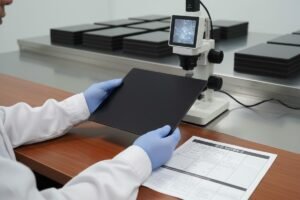

Every year, we see European buyers lose thousands of euros to cracked solar shingles and customs delays caused by poorly chosen freight forwarders.
To choose a reliable freight forwarder for solar roof shingles from China to Europe, prioritize partners with proven experience shipping fragile BIPV products, strong customs brokerage capabilities for European import regulations, transparent DDP pricing, and a verifiable track record of safe delivery to construction sites across the EU.
Shipping solar roof shingles is not the same as shipping standard solar panels fragile BIPV products 1. The tiles are heavier per unit, more fragile due to integrated glass elements, and they sit in a gray area between building materials and photovoltaic equipment at customs. Below, we break down the four critical questions you need to answer before signing with any freight forwarder.
How can I ensure my fragile solar roof shingles are packed and handled to prevent breakage during transit?
After 20 years of manufacturing solar roof tiles and shingles at our facility, we have learned one painful truth: even the best product means nothing if it arrives broken European import regulations 2.
Ensure your freight forwarder enforces strict packaging protocols including sturdy wooden crates, vertical stacking orientation, foam cushioning on all six sides, clear “Fragile” markings, and container-level load securing to prevent shifting during the 25–30 day ocean transit from China to Europe.
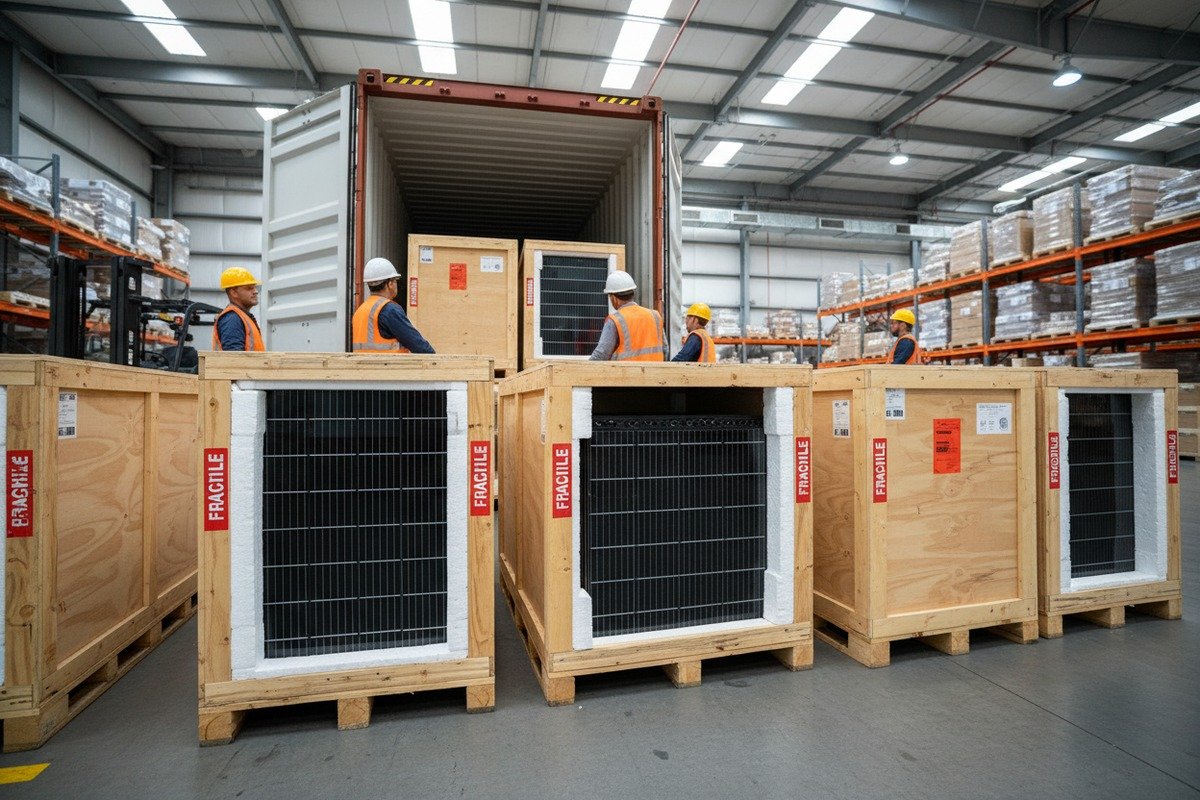
Solar roof shingles are not like standard flat-pack solar panels DDP (Delivered Duty Paid) service 3. Each tile integrates tempered glass with photovoltaic cells bonded onto a structural roofing substrate. A single micro-crack — invisible to the naked eye — can destroy the waterproof seal and the electrical output of the entire tile. That is why packaging is not just a logistics detail. It is a make-or-break step.
Why Solar Shingles Are More Vulnerable Than Standard Panels
Standard solar panels ship in rectangular cartons, stacked flat on pallets. Solar roof shingles, however, have irregular profiles, interlocking edges, and thicker cross-sections. They weigh more per square meter. The overlapping design means edges are exposed to impact. And because they function as both a building envelope and an energy generator, even cosmetic damage can trigger rejection by European property owners who chose these tiles for their sleek, slate-like appearance.
The Packaging Checklist Your Forwarder Must Follow
When we ship from our factory in China, our logistics team follows a strict protocol. Your freight forwarder should enforce the same or better standards:
| Packaging Element | Requirement | Why It Matters |
|---|---|---|
| Inner wrapping | Individual EPE foam sleeves per tile | Prevents surface-to-surface abrasion |
| Cushioning | Foam inserts on all six sides of each crate | Absorbs shock from container movement |
| Crate material | Fumigated solid wood crates (ISPM 15 compliant 4) | Meets EU phytosanitary rules; structurally rigid |
| Stacking orientation | Vertical (on-edge), never flat-stacked | Reduces pressure-induced micro-cracks |
| Load securing | Steel straps + anti-slip mats inside container | Prevents shifting during rough seas |
| External markings | "Fragile," "This Side Up," "Do Not Stack" labels | Alerts handlers at every transfer point |
| Container type | 40ft High-Cube preferred | Extra vertical clearance for crate height |
Pre-Shipment Inspection Is Non-Negotiable
We always recommend a third-party inspection at the factory before the container is sealed. A reputable forwarder will either provide this service or coordinate it with agencies like SGS or Bureau Veritas. The inspector should verify tile count, check for visible damage, confirm packaging standards, and photograph the container loading sequence. This documentation becomes critical if you need to file an insurance claim later.
Insurance: Do Not Skip It
Ocean freight insurance for fragile cargo typically costs 0.3–0.8% of the declared cargo value. For a full container of solar shingles worth €40,000–€80,000, that is €120–€640. Compared to the potential loss of the entire shipment from a rough sea crossing or a mishandled port transfer, this is a bargain. Make sure your forwarder offers All-Risk marine cargo insurance 5, not just basic coverage that excludes breakage.
Red Sea Disruptions Add New Risk
Since late 2023, Red Sea route disruptions have forced many carriers to reroute around the Cape of Good Hope, adding 5–7 days and increasing exposure to rough weather. Ask your forwarder how they handle route changes and whether their insurance covers extended transit periods.
What specific expertise should my freight forwarder have to handle European customs and BIPV tax classifications?
When our team first began exporting solar roof tiles to Europe, we quickly discovered that the customs process for BIPV products is far more complex than for standard photovoltaic modules.
Your freight forwarder must understand BIPV-specific HS code classifications, EU CE marking and CPR compliance documentation, VAT deferral mechanisms through bonded warehouses, and the distinction between photovoltaic equipment and building materials — because misclassification can trigger costly customs holds, unexpected duties, or shipment rejection.
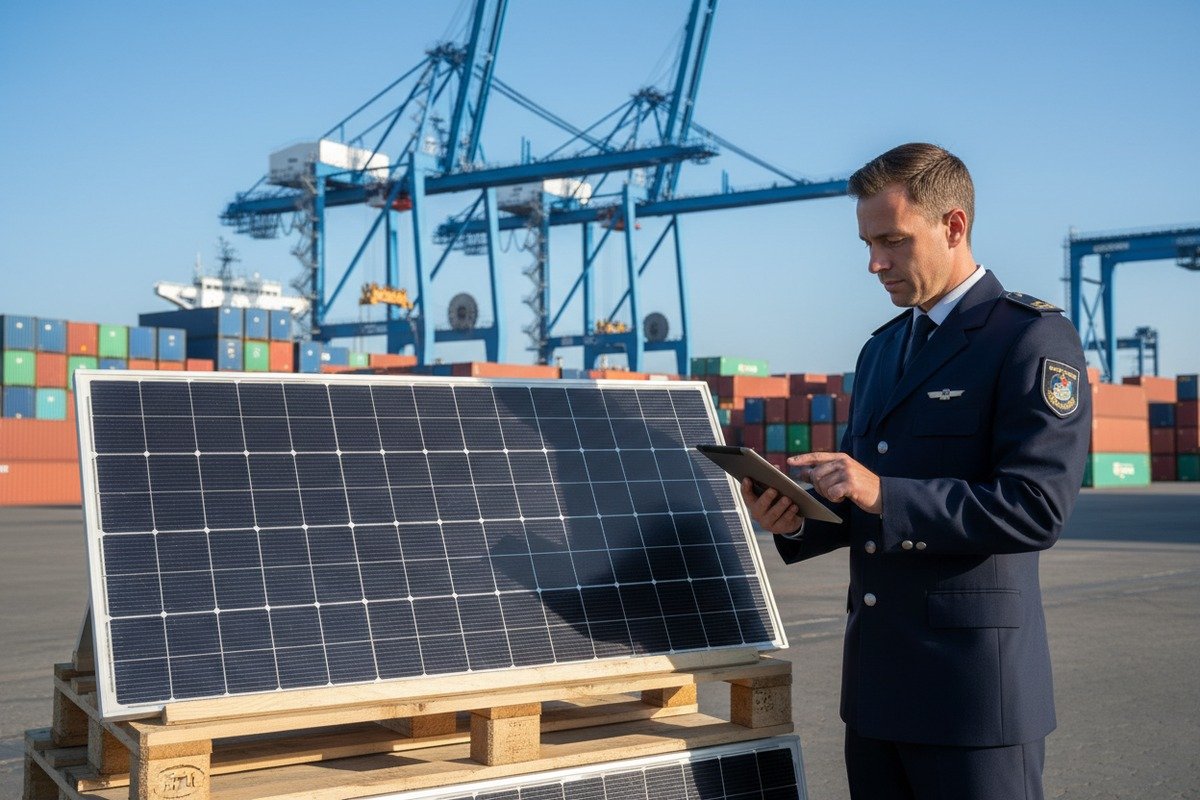
BIPV products like solar roof shingles live in a regulatory gray zone. They are simultaneously photovoltaic generators and construction materials. This dual identity creates unique challenges at EU customs that a generalist freight forwarder simply will not understand.
The HS Code Problem
The Harmonized System code 6 determines what duty rate applies to your goods. Standard solar panels typically fall under HS 8541.40 (photovoltaic cells/modules). But solar roof shingles that function as roofing material could be classified under Chapter 69 (ceramic building products) or Chapter 70 (glass articles) depending on their primary material composition. The wrong classification can mean:
- Higher import duties than expected
- Anti-dumping duties originally designed for Chinese solar panels being applied incorrectly
- Delays at the port while customs officers request additional documentation
A forwarder with BIPV expertise will pre-classify your goods, prepare a binding tariff information (BTI) request if needed, and ensure the commercial invoice clearly describes the product's dual function.
Documentation Your Forwarder Must Prepare or Verify
| Document | Purpose | Who Provides It |
|---|---|---|
| Commercial Invoice | Declares value, quantity, and product description | Manufacturer (us) |
| Packing List | Details weight, dimensions, and packaging per crate | Manufacturer |
| Bill of Lading (B/L) | Proof of shipment and title of goods | Shipping carrier via forwarder |
| Certificate of Origin | Confirms Chinese origin for trade agreement eligibility | Chamber of Commerce |
| CE Certificate | Proves compliance with EU safety directives | Manufacturer / testing lab |
| TUV Test Report | Validates electrical and structural performance | Accredited testing lab |
| CPR / DoP | Declaration of Performance under Construction Products Regulation 7 | Manufacturer |
| EUR.1 or REX Statement | For preferential tariff treatment if applicable | Exporter / customs authority |
AEO Status Matters
An Authorized Economic Operator (AEO) certification 8 means the forwarder has been vetted by customs authorities and meets strict security and compliance standards. Working with an AEO-certified forwarder reduces the likelihood of random inspections, speeds up customs clearance, and signals professionalism. In our experience, forwarders with AEO status clear European ports 30–40% faster than those without.
VAT Deferral Through Bonded Warehouses
Some forwarders operate or have partnerships with bonded warehouses 9 in key EU ports like Rotterdam, Hamburg, or Antwerp. By routing your goods through a bonded facility, you can defer VAT payment until the goods are actually released for sale or delivery. This improves your cash flow — especially important when you are importing a full container worth €50,000 or more.
Post-2025 Regulatory Tightening
The EU is steadily increasing sustainability certification requirements. By 2026, expect tighter rules around carbon footprint declarations for construction products. Forward-thinking forwarders are already helping importers prepare carbon documentation and Digital Product Passports 10. Ask your forwarder what they know about CBAM (Carbon Border Adjustment Mechanism) and how it might affect BIPV imports in the near future.
Should I choose a DDP service to simplify my logistics and manage the total landed cost of my shipment?
Many of our European customers — especially those ordering their first container of solar roof shingles from China — ask us this exact question.
Yes, choosing a DDP (Delivered Duty Paid) service is strongly recommended for solar roof shingle imports because it transfers all logistics complexity, customs clearance, duties, and VAT handling to the forwarder, giving you a single predictable landed cost and eliminating the risk of surprise fees at the destination port.
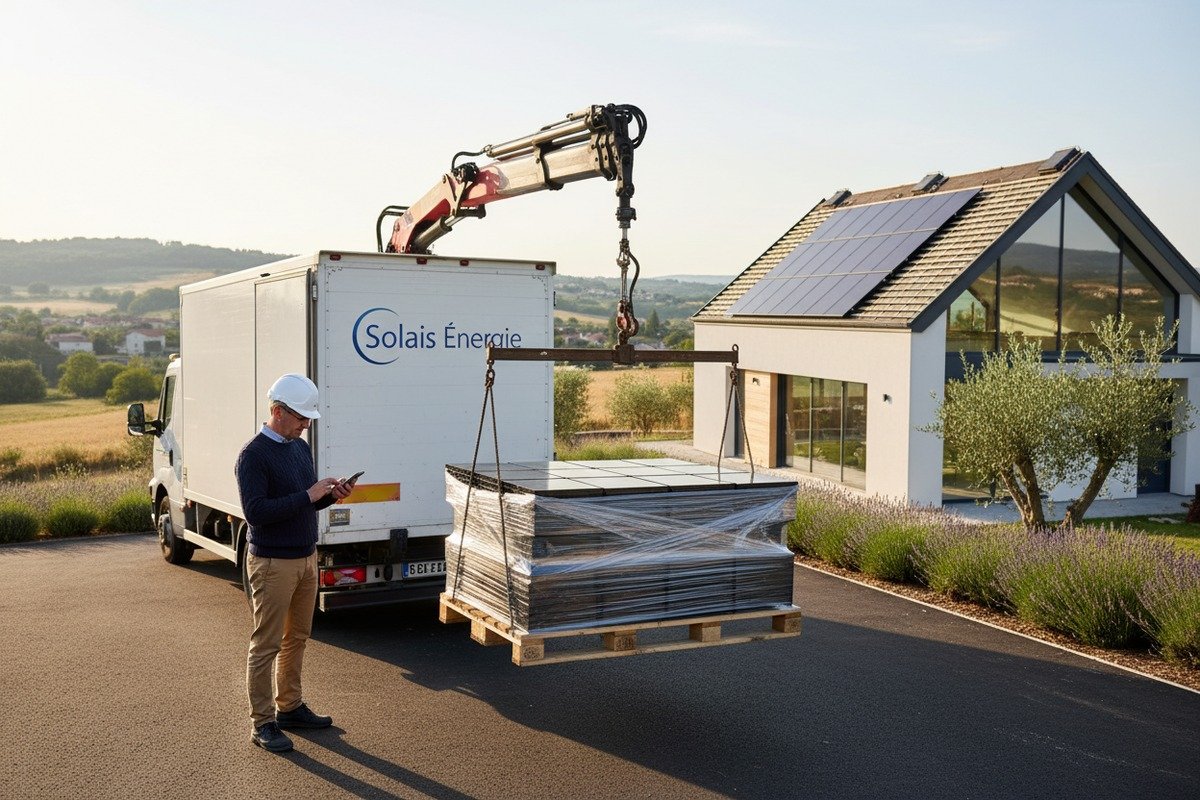
DDP means the seller or forwarder handles everything from factory pickup in China to delivery at your specified European address. You pay one price. No surprises. No scrambling to find a customs broker when your container hits Rotterdam. For complex BIPV products, this simplicity is worth its weight in gold.
DDP vs. Other Incoterms: A Quick Comparison
| Incoterm | Who Handles Export Customs? | Who Handles Ocean Freight? | Who Handles Import Customs & Duties? | Who Bears Delivery Risk? |
|---|---|---|---|---|
| EXW | Buyer | Buyer | Buyer | Buyer |
| FOB | Seller | Buyer | Buyer | Buyer (from port) |
| CIF | Seller | Seller | Buyer | Buyer (from port) |
| DDP | Seller/Forwarder | Seller/Forwarder | Seller/Forwarder | Seller/Forwarder |
Why DDP Makes Sense for BIPV Imports
First, it removes the customs classification headache from your shoulders. As we discussed, BIPV products face HS code ambiguity. With DDP, the forwarder must resolve this — not you. Second, it consolidates all costs into one quote, so you know your exact landed cost before placing the order. Third, if anything goes wrong at customs — a document discrepancy, an inspection request, a duty dispute — the DDP forwarder handles it. You focus on your construction schedule.
The Hidden Cost of "Saving Money" with FOB
Some buyers choose FOB (Free On Board) to save on the forwarder's markup. On paper, FOB looks cheaper because you only pay the product cost to the Chinese port. But then you must independently arrange ocean freight, destination port handling, customs brokerage, duty payment, and inland trucking. Each step introduces a separate vendor, a separate invoice, and a separate point of failure. We have seen buyers lose two weeks and thousands of euros to customs holds simply because their local broker did not understand BIPV product classifications.
What a Good DDP Quote Should Include
A transparent DDP quote from a reliable forwarder should break down every cost component:
- Factory pickup and inland transport to Chinese port (Ningbo or Shanghai)
- Export customs clearance
- Ocean freight (specifying container type and transit time)
- Destination port charges (THC, unloading)
- Import customs clearance, duties, and VAT
- Inland delivery to your warehouse or construction site
- Marine cargo insurance
If the forwarder gives you a single lump sum without any breakdown, ask for one. Transparency is a baseline requirement. Beware of "bait-and-switch" pricing where the initial quote looks low but surcharges appear after the container is already on the water.
Cost Expectations for 2025–2026
Freight rates from China to Europe remain volatile due to Red Sea disruptions and seasonal demand fluctuations. A full 40ft High-Cube container DDP from Shanghai to Western Europe currently ranges from €4,500–€8,000 depending on the destination, season, and service level. Budget an additional 3–8% of cargo value for duties (depending on HS classification) and standard VAT rates of 19–25% depending on the EU country.
How do I vet a forwarder's track record for delivering heavy solar tiles directly to my European construction sites?
Our operations team coordinates deliveries to construction sites across France, Germany, and the Netherlands every month, and we have seen firsthand what separates competent forwarders from unreliable ones.
Vet a forwarder’s track record by requesting verifiable references from solar or BIPV clients, confirming their direct-to-site delivery capabilities with flatbed or crane-equipped trucks, checking their years of China-EU experience, verifying AEO status, and evaluating their real-time tracking and communication responsiveness.
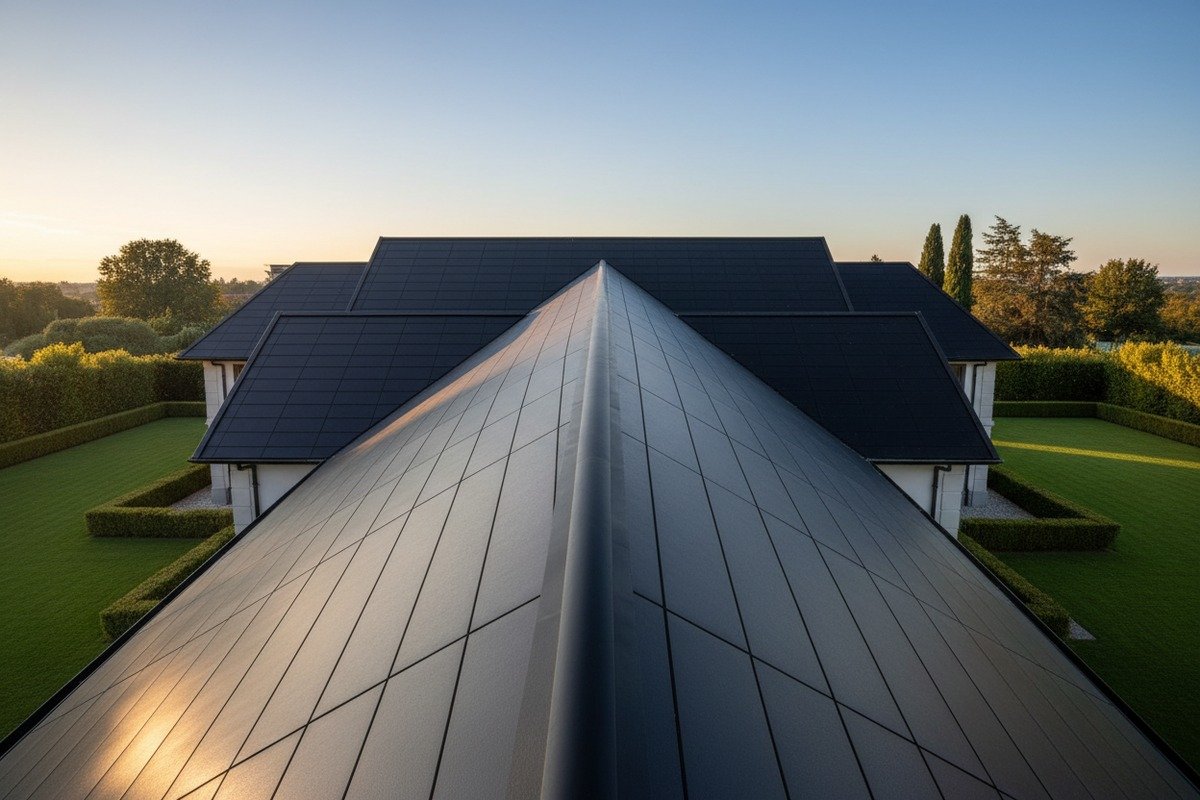
Delivering a container of heavy solar tiles to a port warehouse is one thing. Getting them safely to a residential construction site on a narrow European street with limited crane access is another challenge entirely. Your forwarder needs last-mile logistics expertise — not just shipping lane knowledge.
The Vetting Checklist
Here is a practical checklist we recommend to every European buyer who asks us for forwarder advice:
- Years of operation on China-EU routes. Look for 10+ years minimum. The best forwarders entered China before the solar boom and understand port operations at Ningbo and Shanghai intimately.
- Specific solar/BIPV experience. Ask for case studies or client references. A forwarder who has shipped standard electronics is not qualified for fragile, heavy BIPV tiles.
- AEO certification. This is your shortcut to verifying compliance credibility.
- Office presence. Forwarders with offices in both China and your destination country can coordinate both ends of the shipment. Look for networks spanning 50+ global locations.
- Carrier relationships. Strong alliances with major carriers like COSCO, Evergreen, or MSC mean better rate stability and priority booking during peak seasons.
- Last-mile delivery capability. Can they arrange flatbed trucks, HIAB crane trucks, or tail-lift vehicles for direct-to-site delivery? Do they have experience navigating European residential zones with weight restrictions?
- Real-time tracking. In 2025, any forwarder without digital tracking and proactive notification systems is behind the curve.
- Communication quality. Responsive, English-speaking (and ideally French/German-speaking) staff who reply within hours, not days.
Red Flags to Watch For
Be cautious if a forwarder cannot provide any named references for solar product shipments. Walk away if they quote a price significantly below market rate — that usually means hidden surcharges will appear later. And never work with a forwarder who dismisses your packaging concerns with "we ship everything the same way."
Case Study: Good Choice vs. Bad Choice
We had a customer in France — a roofing company importing their first 40ft container of our solar shingles. They chose the cheapest forwarder they found online. The container arrived at Le Havre on time, but the forwarder had no last-mile service. The customer had to scramble to find a local trucker, which took five days. When the tiles finally reached the construction site, 8% were cracked due to flat-stacking inside the container. Total loss: approximately €6,500 in damaged product plus a one-week project delay.
Compare that to another French customer who chose a forwarder we recommended — one with specific solar logistics experience. The forwarder arranged a pre-shipment inspection at our factory, enforced vertical stacking in a 40ft High-Cube, provided real-time GPS tracking, cleared customs in two days via AEO fast-track, and delivered directly to the rooftop project site using a HIAB crane truck. Zero breakage. On schedule.
The cost difference between the two forwarders? About €400. The outcome difference? Over €7,000.
Questions to Ask During Your First Call
- "Can you share references from clients who import solar tiles or BIPV products?"
- "What is your standard packaging protocol for fragile glass-based cargo?"
- "Do you hold AEO certification in the EU?"
- "Can you deliver directly to a construction site, not just a warehouse?"
- "How do you handle HS code classification for products that are both PV modules and building materials?"
- "What happens if my shipment is delayed or damaged? Walk me through your claims process."
If the forwarder cannot answer these confidently, move on.
Conclusion
Choosing the right freight forwarder protects your investment, your project timeline, and your reputation with European clients. Ask tough questions, verify credentials, and never compromise on packaging.
Footnotes
1. Explains regulations and technical requirements for solar panels, including BIPV. ↩︎
2. Details various EU regulations, directives, and standards for solar panel imports. ↩︎
3. Explains DDP Incoterms, seller responsibilities, and benefits for buyers. ↩︎
4. Official standard for wood packaging material in international trade. ↩︎
5. Replaced with a page from the Insurance Information Institute (III), a reputable and authoritative source for insurance topics, providing information on cargo insurance. ↩︎
6. Official explanation of the Harmonized System for classifying goods. ↩︎
7. Official EU regulation for construction products, including performance and safety. ↩︎
8. Official EU program for supply chain security and customs facilitation. ↩︎
9. Explains customs warehousing, including bonded warehouses for VAT deferral. ↩︎
10. Explains the EU initiative for digital product information, including sustainability data. ↩︎