
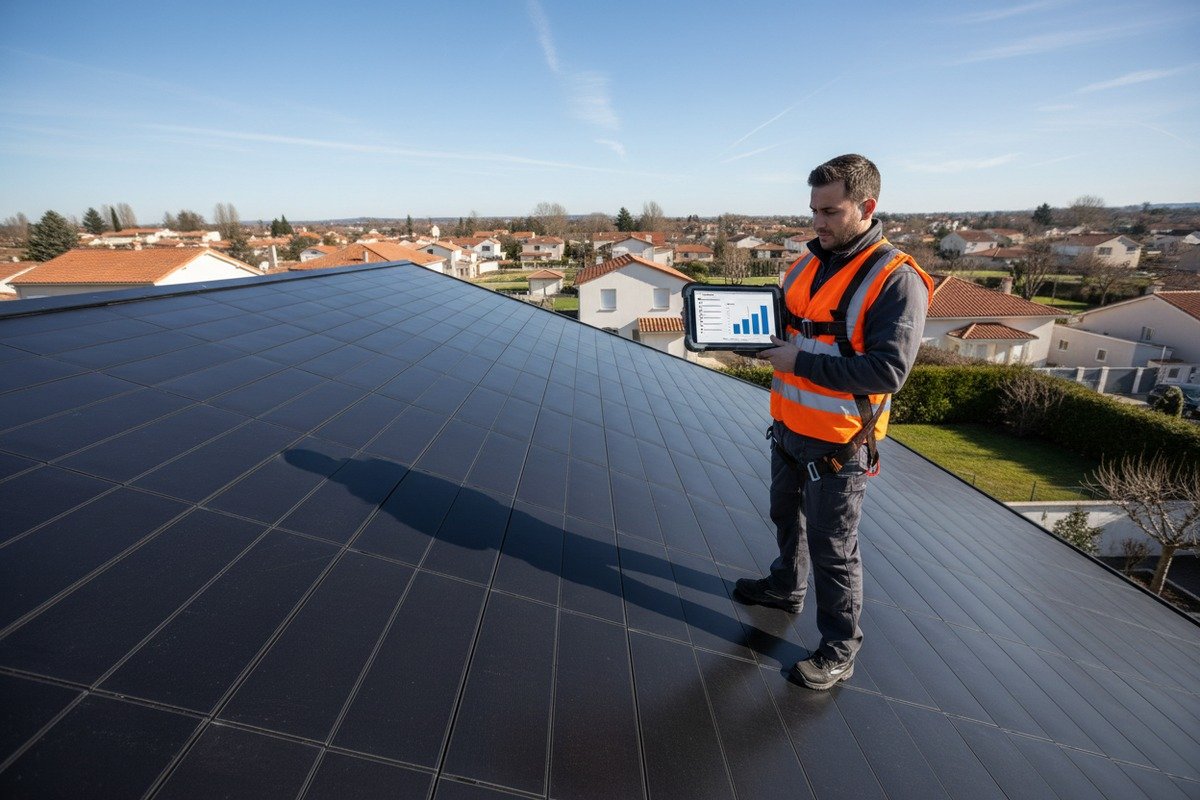
After spending 20 years on our production lines perfecting solar roof tiles 1, one question keeps coming back from every distributor and roofing company we work with: what will this system really cost to maintain over its lifetime? It’s a fair concern. The upfront price of solar shingles 2 is easy to quote, but the ongoing operations and maintenance expenses hide in the fine print. Ignoring them leads to budget surprises, strained client relationships, and eroded profit margins down the road.
To evaluate O&M costs for solar roof shingles, budget $300–$850 annually for cleaning, inspections, and minor repairs. Factor in inverter replacement every 10–15 years at $1,000–$3,000, and compare prepaid five-year O&M bundles ($600–$1,200) against pay-as-you-go service to find the most cost-effective long-term strategy.
Below, I break down the four biggest cost drivers that determine your total maintenance budget Structural integrity 3. Each section gives you real numbers, practical benchmarks, and the critical details you need before committing to a BIPV roofing investment 4.
How often do I need to clean my solar roof shingles to maintain peak energy output?
When we test our solar shingles before shipping, every tile hits its rated efficiency 5 under clean-lab conditions. But once installed on a real roof in Marseille or Munich, dust, pollen, bird droppings, and coastal salt start chipping away at that performance. The gap between lab output and real-world output often comes down to one simple factor: how often you clean Performance warranty 6.
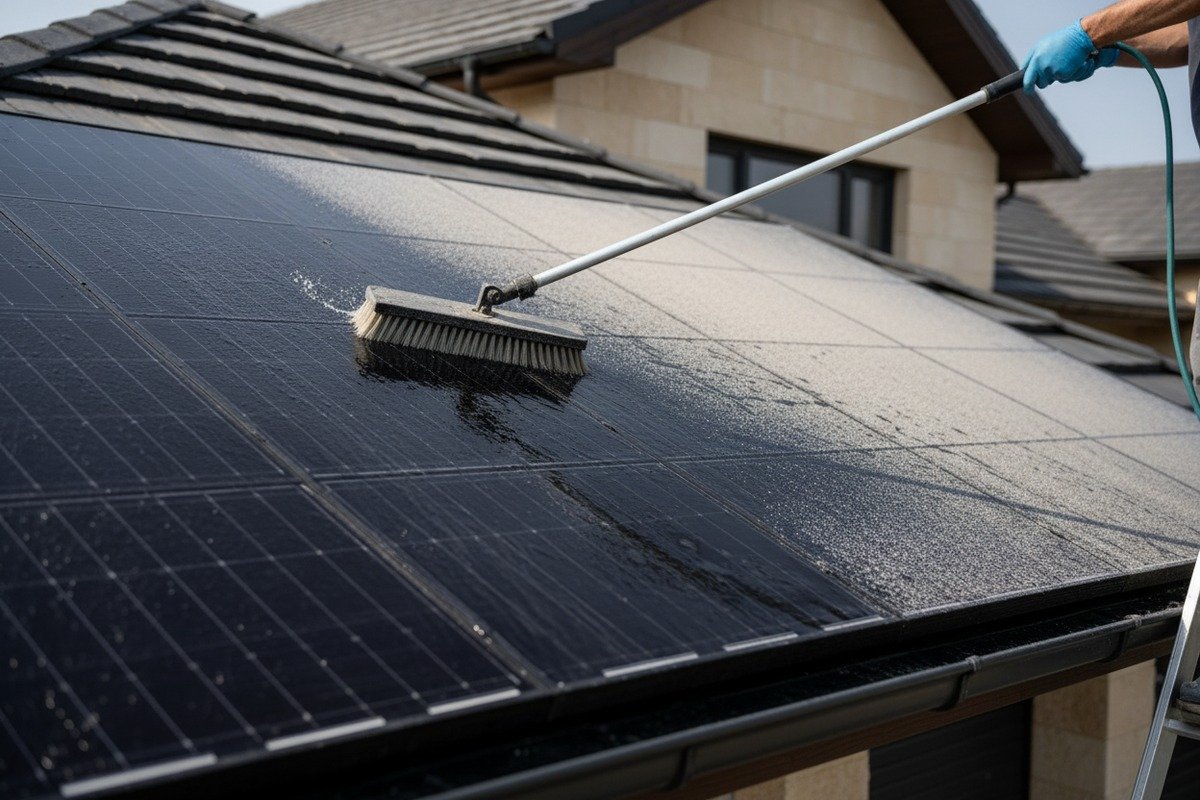
Most solar roof shingles need cleaning one to two times per year in moderate climates. In high-dust, coastal, or heavy-pollen environments, quarterly cleaning is recommended. Professional cleaning costs $150–$300 per visit, while neglecting cleaning can reduce energy output by 5–25% over time.
Why Cleaning Frequency Varies So Much
Not every roof gets dirty at the same rate. A solar shingle roof in a temperate European suburb with regular rainfall may stay relatively clean with just one annual wash. Meanwhile, a rooftop near the Mediterranean coast, exposed to salt spray and Saharan dust, could lose noticeable output within a few months without attention.
Here are the main variables that shift your cleaning schedule:
- Rainfall patterns. Regular rain acts as a natural rinse. Roofs in wet climates often need only annual professional cleaning.
- Surrounding vegetation. Trees nearby drop pollen, leaves, and sap. Expect to clean at least twice a year.
- Air quality. Industrial zones and high-traffic areas deposit soot and particulates faster.
- Roof pitch. Steeper roofs shed debris more easily. Low-slope roofs accumulate dirt faster.
Cleaning Cost Breakdown by Environment
| Environment Type | Recommended Frequency | Cost per Visit | Estimated Annual Cost |
|---|---|---|---|
| Moderate climate, regular rain | 1× per year | $150–$300 | $150–$300 |
| Suburban with trees/pollen | 2× per year | $150–$300 | $300–$600 |
| Coastal, desert, or high-dust | 4× per year | $150–$300 | $600–$1,200 |
A 10–15% surcharge often applies for tile-based roofs or roofs with a steep pitch above 30°, because technicians need harness equipment and extra safety precautions.
DIY vs. Professional Cleaning
Some homeowners consider DIY cleaning to cut costs. Using water, a soft cloth, and mild detergent is technically simple. However, safety is the real issue. Solar shingle roofs are often multi-story, and stepping on tiles incorrectly can damage both the photovoltaic cells 7 and the waterproofing layer. From our experience supporting installers across Europe, we always recommend professional cleaning. The liability risk and potential tile damage from amateur work far outweigh the savings.
The Real Energy Impact
Studies consistently show that dirty solar surfaces lose between 5% and 25% of their rated output. For a system producing 8,000 kWh per year, even a 10% loss means 800 kWh wasted. At European electricity rates, that translates to €160–€240 lost annually — often more than the cost of one professional cleaning visit. The math is straightforward: regular cleaning pays for itself.
What are the labor and material costs if I need to replace a single damaged solar tile?
One of the toughest questions we hear from roofing companies is about single-tile replacement. Our engineering team designs every interlocking system with repairability in mind, but the reality is that replacing a solar shingle is not as simple as swapping a traditional roofing tile. There's an electrical component, a waterproofing layer 8, and often neighboring tiles that must be partially lifted. If you don't plan for this cost, it can hit your project budget hard.
Replacing a single damaged solar tile typically costs $200–$600, including $50–$150 for the tile itself and $150–$450 for specialized labor. Costs rise significantly on steep or complex roofs, and if the waterproofing membrane beneath requires repair, add another $100–$300 to the total.
Breaking Down the Replacement Cost
The cost of replacing one solar shingle has two main parts: the tile itself and the labor to install it. Unlike a standard asphalt shingle that costs a few dollars, a solar tile contains photovoltaic cells, tempered glass, and integrated wiring. Material costs are inherently higher.
Labor is the bigger variable. In Europe, where hourly rates for qualified electricians and roofers range from €40 to €80, a single-tile swap can take one to three hours depending on roof access, tile position, and system design.
Cost Estimate Table for Single Tile Replacement
| Cost Component | Low Estimate | High Estimate | Notes |
|---|---|---|---|
| Solar tile (material) | $50 | $150 | Varies by wattage and brand |
| Labor (1–3 hours) | $150 | $450 | Includes electrician and roofer |
| Waterproofing repair | $0 | $300 | Only if membrane is compromised |
| Scaffolding or access equipment | $0 | $200 | Needed for 3+ story buildings |
| Total | $200 | $1,100 | Worst case includes all extras |
Why Solar Tile Replacement Is More Complex
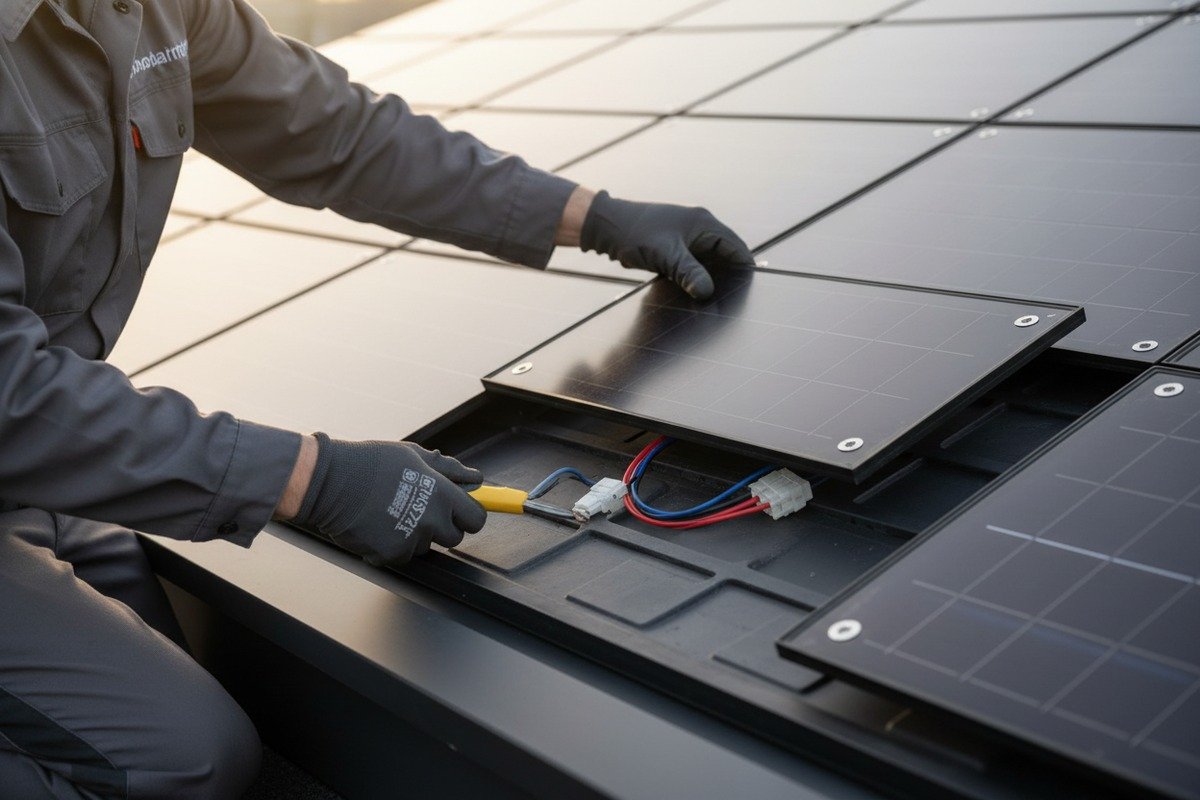
With traditional bolt-on solar panels, a damaged module sits on top of the roof. You unbolt it, slide a new one in, and reconnect. With BIPV solar shingles, the tile is the roof. Removing one tile means carefully lifting adjacent tiles, disconnecting the electrical wiring from the string, inspecting the underlayment, and then reversing the process with the replacement tile.
This is exactly why our R&D team at Lonsontech invested heavily in an interlocking design that allows individual tile access without disturbing the entire row. Not all manufacturers offer this. When evaluating suppliers, always ask: how many neighboring tiles must be removed to replace one? The answer directly impacts your labor cost.
Warranty Coverage Matters Here
Many single-tile failures fall under the manufacturer's product warranty, especially if the damage is caused by a manufacturing defect rather than impact from extreme weather. Our 25-year product warranty covers cell degradation and manufacturing flaws. However, labor for the replacement is typically the installer's or homeowner's responsibility unless a separate workmanship warranty applies. Always clarify this distinction before installation begins.
Stocking Spare Tiles
A practical tip from our export experience: order 3–5% extra tiles during the initial purchase. Storing a small inventory of spares eliminates lead time for replacements and avoids potential batch color variation issues. European clients have told us this single step saved them weeks of downtime and kept end-customers happy.
How do I budget for the long-term waterproofing and structural inspections of my BIPV system?
Waterproofing is the number one concern we address with every roofing contractor who evaluates our products. It makes sense — a leak under a traditional panel damages a rail. A leak under a solar tile damages the building interior, and in Europe, that means massive compensation claims. Our professional waterproof drainage design was developed specifically to eliminate this risk, but no system is maintenance-free forever. Budgeting for inspections is non-negotiable.
Budget $300–$600 annually for waterproofing and structural inspections of your BIPV system. Schedule a professional inspection at least once per year, with a more comprehensive evaluation every three to five years. Over a 25-year lifespan, total inspection costs typically range from $7,500 to $15,000.
What Inspections Actually Cover
A proper BIPV inspection goes beyond just looking at solar cells. It includes three layers of evaluation:
- Structural integrity. Check for cracked tiles, shifted positions, and compromised mounting points. Wind loads and thermal expansion can shift tiles over years.
- Waterproofing membrane. Inspect the underlayment for tears, punctures, or degradation. Pay special attention to flashing around roof penetrations, ridges, and valleys.
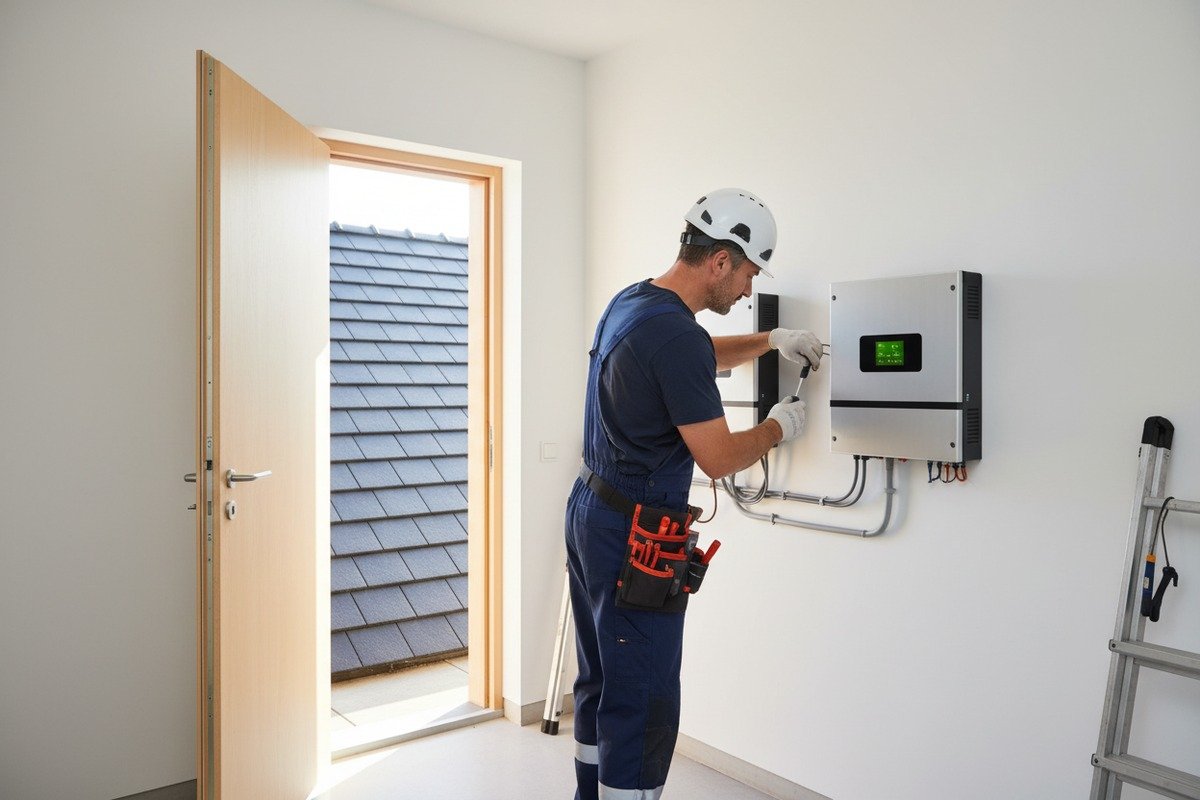
- Electrical connections. Look for corroded connectors, damaged wiring insulation, and loose junction boxes. Water intrusion into electrical components creates both safety and performance risks.
Inspection Cost and Frequency Schedule
| Inspection Type | Frequency | Estimated Cost | What It Covers |
|---|---|---|---|
| Annual visual + thermal scan | Every 12 months | $150–$300 | Surface damage, hotspots, debris |
| Comprehensive structural review | Every 3–5 years | $400–$800 | Membrane integrity, flashing, load points |
| Electrical diagnostics | Every 2–3 years | $200–$400 | Wiring, connectors, insulation resistance |
| Full system audit | Every 5 years | $600–$1,200 | All of the above combined |
The Hidden Cost of Skipping Inspections
When we support after-sales cases across Europe, the most expensive repairs always trace back to deferred inspections. A small membrane tear that costs $100 to patch in year three becomes a $2,000 interior water damage claim in year seven. The math overwhelmingly favors preventive inspection.
One real example: a distributor in northern France skipped the year-three structural review on a residential project. By year five, thermal cycling had shifted two tiles enough to break the waterproof seal along a valley flashing. The interior damage cost the installer over €3,500 in repairs and client compensation. A €300 inspection would have caught it early.
Prepaid Inspection Plans vs. Pay-As-You-Go
Many installers and O&M service providers offer bundled inspection packages. A typical five-year prepaid plan costs $600–$1,200 and includes annual visual inspections, one comprehensive structural review, and priority scheduling. These plans make budgeting predictable and often include a 10–15% discount versus individual service calls.
However, if your BIPV system is on a simple, accessible roof in a moderate climate, and you have a strong production monitoring system in place, pay-as-you-go might cost less in the first five years. The trade-off is unpredictability — one unexpected issue can blow past the prepaid bundle cost instantly.
Smart Monitoring Reduces Inspection Costs
Modern BIPV systems with integrated smart monitoring can detect performance drops in individual tiles or strings remotely. This allows targeted inspections rather than full-roof evaluations. Our systems support monitoring integration that flags anomalies in real time, which means your inspection technician arrives knowing exactly where to look. This cuts diagnostic time and cost significantly.
What impact does the manufacturer's warranty have on my total O&M budget over time?
When we issue a 25-year product warranty on our solar roof tiles, it's not just a marketing number on a datasheet. It's a financial commitment backed by two decades of production stability and CE/TUV certification rigor. But from a buyer's perspective, the real question is: how much does that warranty actually save me in maintenance spending over the system's life? The answer depends on what the warranty covers, what it excludes, and how reliably the manufacturer stands behind it.
A strong manufacturer's warranty can reduce your total O&M budget by 30–50% over 25 years by covering defective tiles, performance degradation, and sometimes labor for warranty claims. Always verify coverage scope, claim procedures, and the manufacturer's financial stability before factoring warranty savings into your budget.

The Three Warranties You Need to Understand
Solar roof shingles typically come with three distinct warranties, and each one affects your O&M budget differently:
- Product warranty. Covers manufacturing defects — cracked glass, delamination, junction box failures. This is the warranty that directly reduces your material replacement costs.
- Performance warranty. Guarantees a minimum energy output 9 over time, usually 80–90% of rated power at year 25. If tiles degrade faster than promised, the manufacturer provides replacements or compensation.
- Workmanship warranty. Covers installation errors. This is issued by the installer, not the manufacturer, and typically lasts 5–10 years.
How Warranty Coverage Offsets O&M Costs
Without warranty coverage, every failed tile, degraded cell, or defective inverter connection comes out of your pocket. With proper warranty protection, many of the most expensive potential repairs become the manufacturer's responsibility.
Consider this 25-year comparison:
| Cost Category | Without Warranty Coverage | With Comprehensive Warranty | Savings |
|---|---|---|---|
| Tile replacements (defects) | $1,500–$3,000 | $0 (covered) | $1,500–$3,000 |
| Performance degradation loss | $2,000–$5,000 | Partially compensated | $1,000–$3,000 |
| Inverter replacement | $2,000–$6,000 | Often partially covered | $500–$2,000 |
| Labor for warranty claims | $1,000–$2,500 | Varies by policy | $0–$1,500 |
| Total potential savings | — | — | $3,000–$9,500 |
These numbers are estimates across a 25-year system life. The actual savings depend on your specific system size, climate, and the warranty terms.
The "After-Sales Disappearance" Risk
This is the pain point our European clients worry about most. A 25-year warranty means nothing if the manufacturer goes out of business in year eight. When evaluating warranty value, look beyond the document itself. Ask these questions:
- How long has the manufacturer been operating? Our 20-year track record gives distributors confidence that we'll be here when claims arise.
- Does the manufacturer have a local presence or partnership in your market?
- Is there a clear, documented claims process with defined response times?
- Are warranty terms backed by third-party insurance or bonding?
Warranty Exclusions That Catch People Off Guard
Most warranties exclude damage from improper installation, extreme weather events beyond rated specifications, and failure to perform recommended maintenance. This last point is critical. If your O&M records show you skipped required annual inspections, the manufacturer may deny a warranty claim. Keeping detailed maintenance logs is not just good practice — it protects your warranty rights.
Our tiles are rated to withstand 35mm hail and Grade 15 winds, which covers the vast majority of European weather conditions. But if a once-in-a-century storm causes damage beyond those specifications, that typically falls under your building insurance rather than the product warranty.
Integrating Warranty Into Your O&M Budget
The smartest approach is to budget as if you have no warranty, then treat warranty reimbursements as a bonus that improves your ROI. This conservative method ensures you're never caught short. In practice, a well-honored warranty from a stable manufacturer like Lonsontech will offset a significant portion of your 25-year maintenance costs, effectively bringing your annual O&M spending closer to the $200–$400 range rather than the $500–$850 upper end.
Software and firmware updates for smart inverters 10 and monitoring systems are another ongoing cost to factor in. Many manufacturers include these updates as part of their service agreement, but confirm this explicitly. As grid standards evolve, your system's compatibility depends on these updates being applied consistently.
Conclusion
Evaluating O&M costs for solar roof shingles comes down to four pillars: cleaning frequency, single-tile repair readiness, waterproofing inspections, and warranty strategy. Budget conservatively, inspect proactively, and choose a manufacturer with the stability to honor long-term commitments.
Footnotes
1. Explains what solar roof tiles are and how they function. ↩︎
2. Defines solar shingles and their function as photovoltaic roofing. ↩︎
3. Explains roof load capacity and structural assessment for solar panel installations. ↩︎
4. Provides a comprehensive overview of Building Integrated Photovoltaics (BIPV). ↩︎
5. Explains how solar panel efficiency is measured and influenced by factors. ↩︎
6. Original URL returned HTTP 404. Replaced with a general solar panel warranties page on the same authoritative domain, which includes information on performance warranties. ↩︎
7. Explains how photovoltaic cells work to convert sunlight into electricity. ↩︎
8. Describes various types of waterproofing membranes used in roofing applications. ↩︎
9. Details various factors that can affect the energy output of solar panels. ↩︎
10. Explains the function and benefits of smart inverters in solar installations. ↩︎